

Embracing a Holistic Recovery Journey
Healing after cosmetic surgery is a coordinated process that blends physical repair, emotional adjustment, and mental focus. Early gentle movement, adequate protein (1.2–1.5 g/kg), vitamin C, zinc, and hydration accelerate collagen synthesis and circulation, while compression garments and elevation reduce swelling—evidence‑based strategies proven to lower complications. Psychological resilience is equally critical; mindfulness, journaling, and support networks mitigate the “two‑week blues” and improve pain tolerance. Accelerated Resolution Therapy (ART) exemplifies an evidence‑based, mind‑body technique that reprograms trauma memories, reducing anxiety that can impede recovery. Personalized care tailors activity restrictions, nutrition plans, and scar‑management protocols to each patient’s anatomy, health status, and lifestyle, while regular surgeon follow‑up ensures timely adjustment of the regimen. By integrating body, mind, and spirit, patients achieve faster tissue healing, smoother emotional adaptation, and higher satisfaction with aesthetic outcomes.
Foundations of Physical Healing
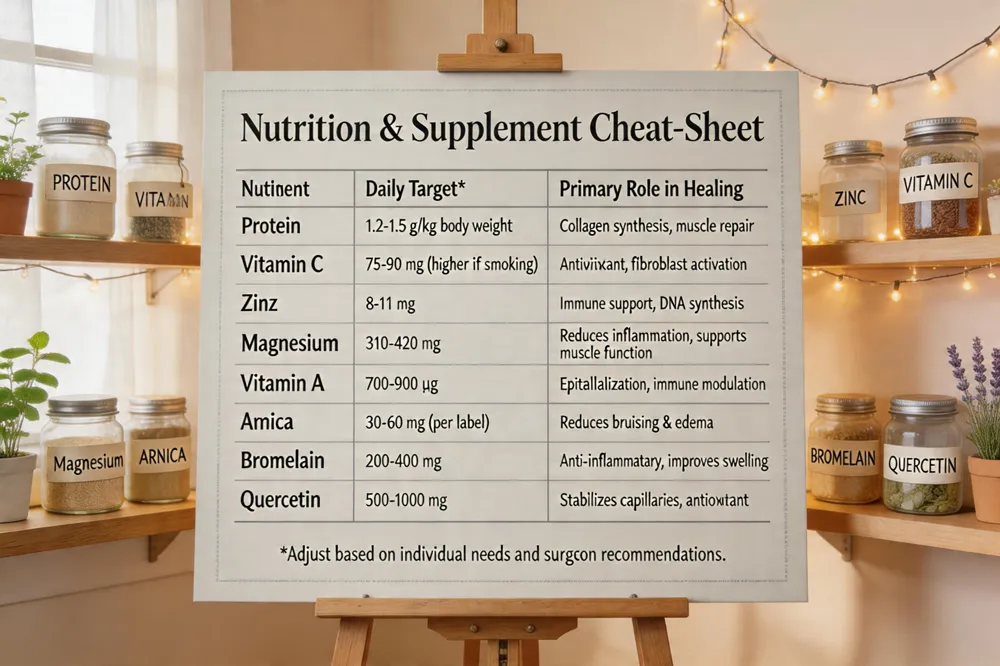 Effective post‑operative recovery hinges on three pillars: targeted nutrition, evidence‑based supplementation, and multimodal pain control.

Protein, vitamins, and minerals for tissue repair – Aim for 1.2–1.5 g of protein per kilogram of body weight daily to supply amino acids for collagen synthesis. Vitamin C is the key vitamin that accelerates wound closure by driving fibroblast activity; rich sources include citrus, berries, bell peppers, and leafy greens. Zinc and vitamin D further support immune function and bone healing.
Key supplements that reduce bruising and inflammation – Arnica montana, bromelain, and quercetin attenuate capillary leakage and bruising. A balanced post‑op formula that adds vitamin C, zinc, and essential amino acids (especially leucine) can shorten swelling and protect muscle mass. Always verify supplement safety with your surgeon.
Multimodal pain control strategies – Follow the surgeon’s medication schedule, combine scheduled analgesics with ice packs (15‑20 min every 2‑3 hr), and practice deep‑breathing or guided meditation to lower cortisol. Effective pain management prevents stress‑induced healing delays.
Hydration and lifestyle factors that accelerate healing – Drink 2‑3 L of water daily; adequate hydration improves circulation and reduces edema. Avoid smoking, excessive alcohol, and high‑sodium drinks, as they hinder oxygen delivery and increase swelling. Early gentle ambulation (short walks after clearance) promotes lymphatic drainage and reduces clot risk.
Quick‑heal checklist – 1) Follow all post‑op instructions, wear compression garments, and keep incisions clean. 2) Prioritize protein‑rich meals with vitamin C, zinc, and antioxidants. 3) Stay hydrated, limit sodium, and abstain from nicotine. 4) Use multimodal pain control and early mobility. 5) Attend all follow‑up appointments and lean on a support person for the first few days. These steps together foster faster, smoother recovery after cosmetic surgery.
Emotional Resilience and Psychological Well‑Being
![Emotional Recovery Timeline & Coping Tools
| Phase | Typical Mood | Recommended Coping Strategy |
| Day 0‑3 | Euphoria → early fatigue | Mindful breathing, short journaling |
| Week 1‑2 | Self‑doubt, body image adjustment | Review sequential recovery photos, positive affirmations |
| Week 3‑6 | Mood swings, occasional grief | Structured check‑ins with surgeon, therapist referral if needed |
| Week 6+ | Growing confidence, normalization | Continue support network, set realistic long‑term goals |
Quick‑Heal Message Template: “Dear [Patient Name], we hope you’re feeling comfortable and surrounded by caring thoughts as you begin your recovery. Rest, hydration, and gentle movement will support your healing; our team is here for you—please call with any concerns. Wishing you a smooth, speedy recovery and a return to your radiant self soon.”](https://rank-ai-generated-images.s3-us-east-2.amazonaws.com/4561c752-74b2-4d66-95f5-e7121f01f6f2-banner-a8a4c270-efba-43c2-8178-d084ca4d261b.webp) Managing expectations begins with realistic recovery photos. By reviewing a private, sequential gallery—day‑after, week‑after, six‑week—patients see how swelling, bruising, and contour evolve, reducing surprise and anxiety.
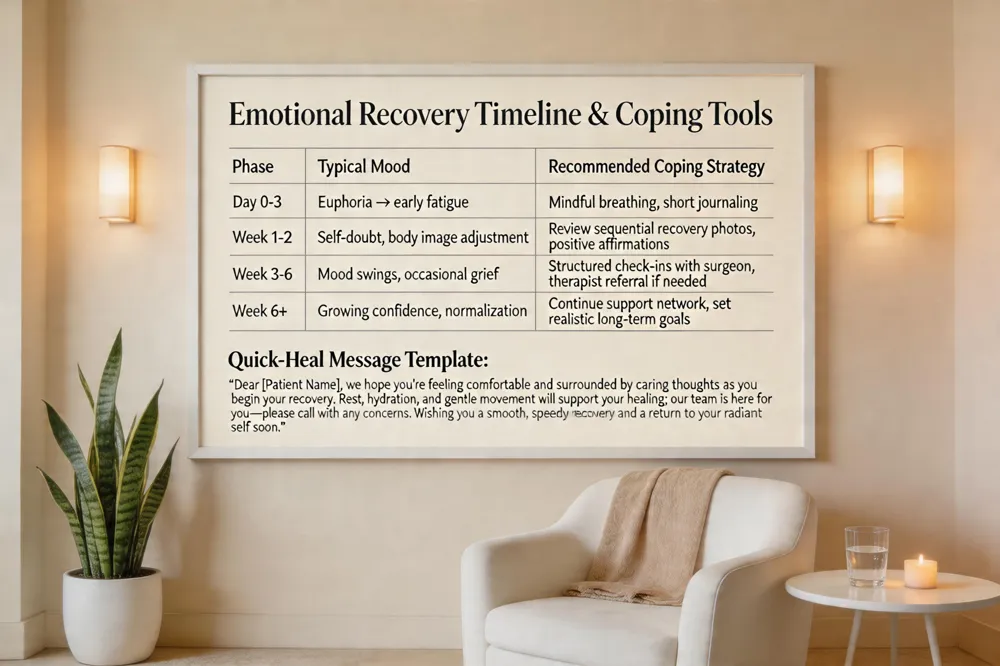
Emotional swings are common after aesthetic procedures. Early euphoria can give way to fatigue, self‑doubt, or grief as patients adjust to a new body image. A structured plan that includes gentle mindfulness, journaling, and scheduled check‑ins helps normalize these fluctuations.
Supportive communication is essential. Surgeons should offer clear post‑operative instructions, a dedicated hotline for questions, and referrals to mental‑health professionals when needed. Local post‑plastic surgery care providers, such as UPMC Plastic and Reconstructive Surgery centers in Carlisle and Chambersburg, or home‑health nursing services, ensure wound checks and emotional support are readily available.
Crafting uplifting recovery messages reinforces optimism. For example: “Dear [Patient Name], we hope you’re feeling comfortable and surrounded by caring thoughts as you begin your recovery. Rest, hydration, and gentle movement will support your healing; our team is here for you—please call with any concerns. Wishing you a smooth, speedy recovery and a return to your radiant self soon.”
Integrating these strategies—visual expectations, emotional coping tools, proactive communication, and positive messaging—promotes resilience, accelerates healing, and enhances overall satisfaction with cosmetic surgery outcomes.
Professional Post‑Operative Care and Practical Guidelines
 | ||
| How to heal quickly after cosmetic surgery? Follow every medication and pain‑management instruction; uncontrolled pain raises blood pressure and delays healing. Begin gentle walking as soon as safe to improve circulation and prevent constipation, clots, or pneumonia. Eat a balanced, protein‑rich diet (1.2‑1.5 g/kg) with vitamins A, C, B12, zinc, and antioxidants, and stay well‑hydrated (8‑10 glasses water daily). Quit smoking entirely before and after surgery to preserve blood flow and reduce bruising and infection. Attend all follow‑up appointments and adhere strictly to the personalized post‑op plan. |

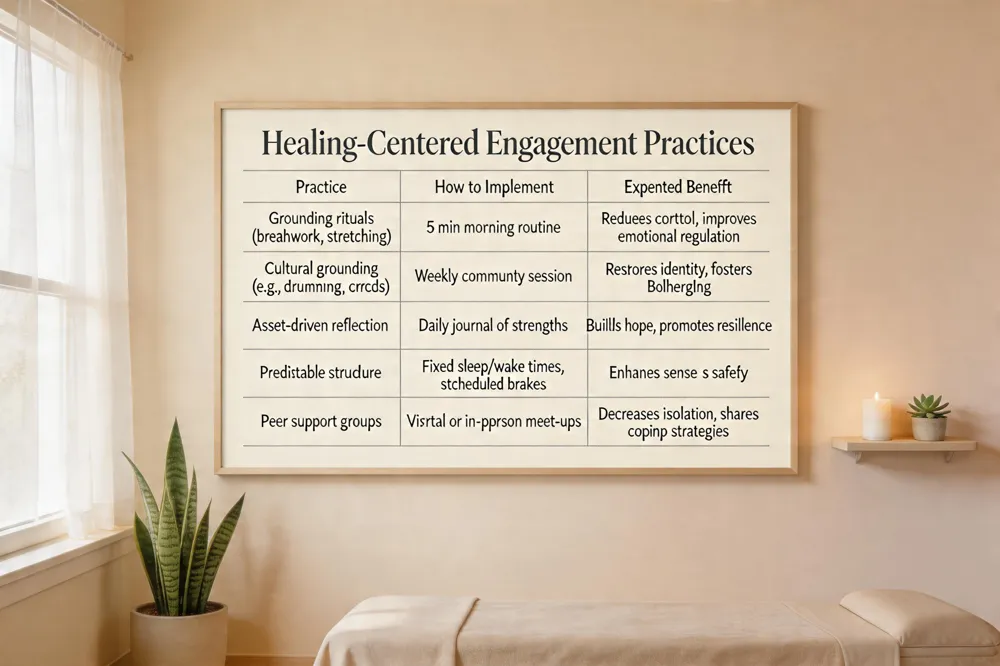
Healing From Trauma While Balancing Daily Life Recovery is non‑linear, affecting thoughts, body, relationships, and daily routine. Build resilience with small habits: morning grounding (breathwork, stretching), moments of joy, and affirmations. Identify and name triggers to respond rather than react. Maintain predictable daily structure (consistent sleep, regular downtime, reminders) for emotional regulation. At work, recognize draining tasks, communicate needs, and use short grounding breaks. Social support—friends, family, therapists, peer groups—is essential; isolation worsens symptoms.
Accelerated Resolution Therapy – Treating Trauma ART reprograms distressing memories, reducing strong physical and emotional reactions. Effective for PTSD, depression, grief, phobias, anxiety, and addiction. Uses eye‑movement techniques to integrate left‑ and right‑brain activity, not hypnosis. Founder Laney Rosenzweig, a licensed therapist with three decades of experience, trains clinicians worldwide. ART has helped veterans and supported recovery after the 2023 Maui wildfires.
The Future of Healing: Shifting From Trauma Informed Care to Healing‑Centered Engagement Healing‑centered engagement (HCE) expands trauma‑informed care. HCE urges addressing systemic roots of trauma (policies, institutions) and incorporates cultural grounding—e.g., indigenous healing circles, African drumming—to restore identity. Research shows school suspensions exacerbate harm for trauma‑exposed students, highlighting the need for holistic, non‑punitive interventions. Asset‑driven, salutogenic strategies foster hope, imagination, and purpose, while empathy building, imagination, and critical reflection are practical steps for providers to facilitate healing among youth.
Moving Forward with Confidence and Well‑Being
After the postoperative phase, maintaining the progress achieved during recovery is essential for health and aesthetic results. First, preserve the nutrition and activity habits that supported wound healing: consume 1.2‑1.5 g protein per kilogram daily, stay well‑hydrated, and keep moving with gentle walks or light resistance as cleared by the surgeon. These practices sustain collagen synthesis, circulation, and vitality. Second, emotional resilience should be nurtured continuously. Keep a recovery journal, engage in mindfulness or brief meditation, and lean on a trusted support network to process lingering mood swings or body‑image concerns. Check‑ins with a mental‑health professional can preempt the “two‑week blues” and reinforce confidence. Finally, long‑term aesthetic satisfaction is reinforced by realistic expectations and scar care—apply silicone gel, protect incisions from sun, and attend scheduled follow‑up visits to monitor healing. By integrating lifestyle, psychological self‑care, and ongoing clinical oversight, patients transition from healing to thriving, enjoying enduring results and renewed self‑esteem.